
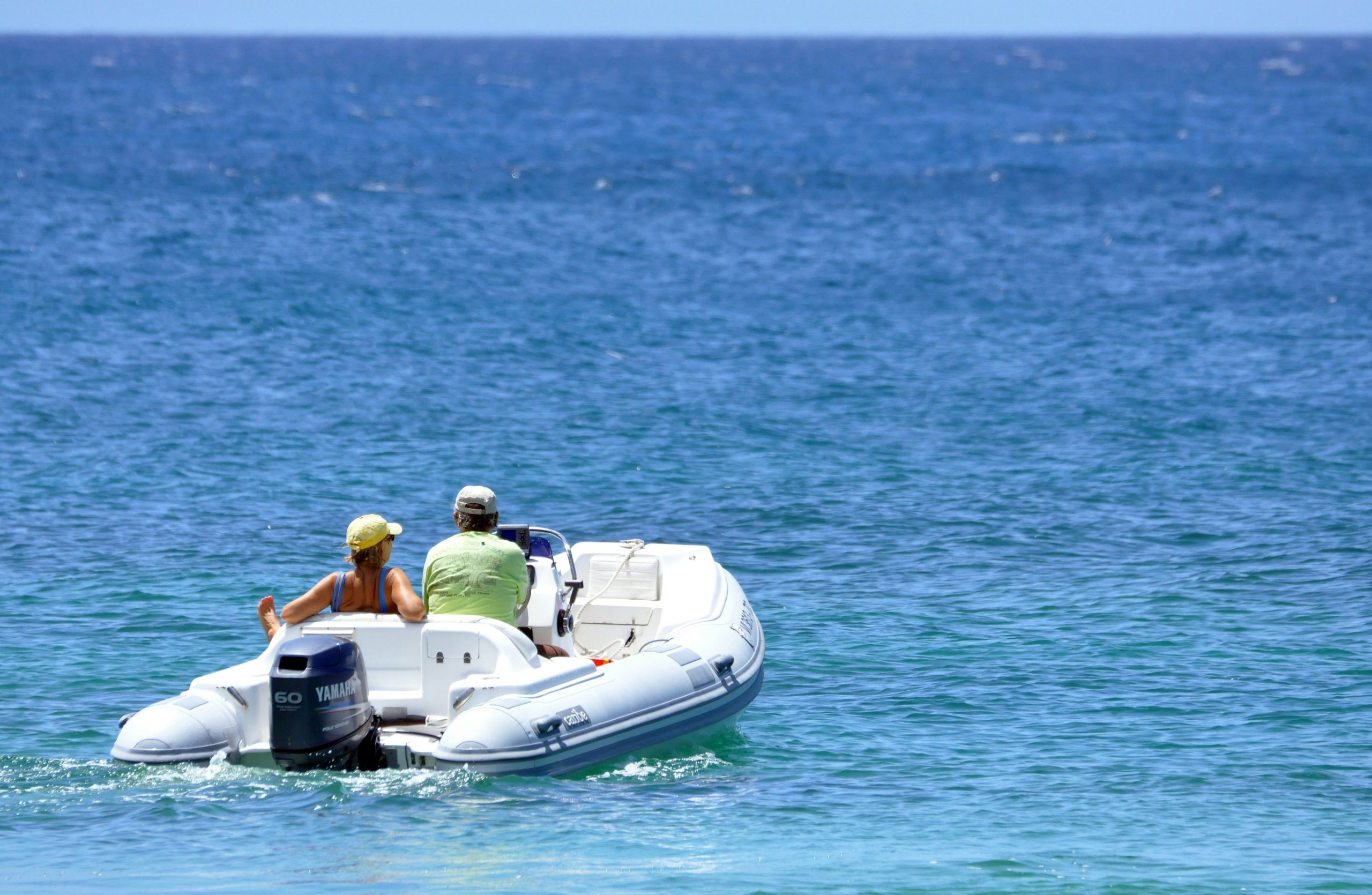
Rigid Inflatable Boats (RIBs) have become one of the most versatile and widely used types of boats in the world. From leisure boating and watersports to professional rescue operations, their popularity continues to grow year after year. Yet despite their proven performance and increasing presence in marinas across Europe and beyond, many misconceptions still surround them.
If you are considering buying a RIB or simply want to better understand why they have become such a popular choice, this article breaks down five of the most common myths and reveals the reality behind them.
Myth one: RIBs are only for professionals
One of the most persistent myths is that RIBs are designed exclusively for military, rescue, or commercial use.
Reality: While RIBs are indeed trusted by coast guards, naval units, and rescue teams, they are also extremely popular in the recreational boating market. In fact, a significant portion of RIB sales today comes from private owners.
Modern RIBs are available in a wide variety of sizes and layouts. They include small tenders for yachts, family-friendly day boats, sporty high-performance models, and luxury RIBs with premium finishes. Manufacturers have increasingly focused on comfort, usability, and design, making RIBs accessible even to first-time boaters. Whether you are planning coastal cruising, water sports, or relaxed day trips, there is likely a RIB suited to your needs.
Myth two: Inflatable tubes are fragile
At first glance, the inflatable tubes that define a RIB might seem like a weak point compared to traditional rigid boats.
Reality: RIB tubes are constructed from highly durable materials such as PVC or Hypalon, both specifically engineered to withstand harsh marine environments. These materials are resistant to ultraviolet exposure, saltwater, fuel and chemicals, as well as abrasion and impacts. In addition, the tubes are divided into multiple independent air chambers. This means that even if one chamber is damaged, the boat will remain buoyant and stable.
In everyday use, the tubes can actually be an advantage. When docking or coming alongside other boats, their soft structure acts as a built-in fender system, reducing the risk of damage.
Myth three: RIBs are uncomfortable
Some people still associate RIBs with basic, utilitarian boats that prioritize function over comfort.
Reality: Modern RIBs have evolved dramatically and now offer levels of comfort comparable to many traditional fiberglass boats. Depending on the model and size, features can include shock-absorbing or bolster seating, sunbathing areas with cushions, dining spaces with tables, and generous storage compartments. Larger RIBs may also include cabins, marine toilets, and even compact galleys, making them suitable for longer outings or overnight stays.
Another key factor is ride quality. Thanks to their hull design and buoyant tubes, RIBs often provide a smoother and more stable ride, especially in choppy conditions. Many first-time passengers are surprised by how comfortable and steady a RIB can feel.
Myth four: RIBs are only good in calm waters
Because of their lightweight structure, some assume that RIBs are only suitable for calm, sheltered waters like lakes or bays.
Reality: RIBs are widely regarded as some of the best-performing boats in rough conditions. Their deep-V hulls are designed to cut through waves efficiently, while the inflatable tubes increase buoyancy, improve lateral stability, and help absorb shocks from wave impacts. This combination allows RIBs to maintain speed and control even when conditions become challenging. It is no coincidence that they are the vessel of choice for many offshore operators, including rescue services and patrol units.
For recreational users, this translates into greater confidence and safety when venturing further offshore or boating in less predictable weather.
Myth five: RIBs do not require maintenance
A common assumption is that RIBs are set-and-forget boats.
Reality: While RIBs are relatively low-maintenance compared to many traditional boats, they do still require routine care to stay in top condition. Key tasks include rinsing with fresh water after use, cleaning the tubes and hull, checking air pressure and tube integrity periodically, and applying ultraviolet protectants or treatments when needed. Neglecting these simple steps can shorten the lifespan of the tubes or reduce performance. RIBs are easier to maintain than many traditional boats, but the idea that they require no care at all is a myth.
Final thoughts
Rigid Inflatable Boats combine safety, performance, and versatility in a way few other boat types can match. While outdated myths still circulate, they often fail to reflect the reality of modern RIB design and technology.
Whether you are a first-time buyer or an experienced boater looking for a capable all-rounder, RIBs are well worth considering. By moving beyond these common misconceptions, you will gain a clearer understanding of why they have become such a popular choice on the water and why their popularity is only set to grow in the years ahead.
